Vision Correction Loans UK: Finance Your Eye Surgery
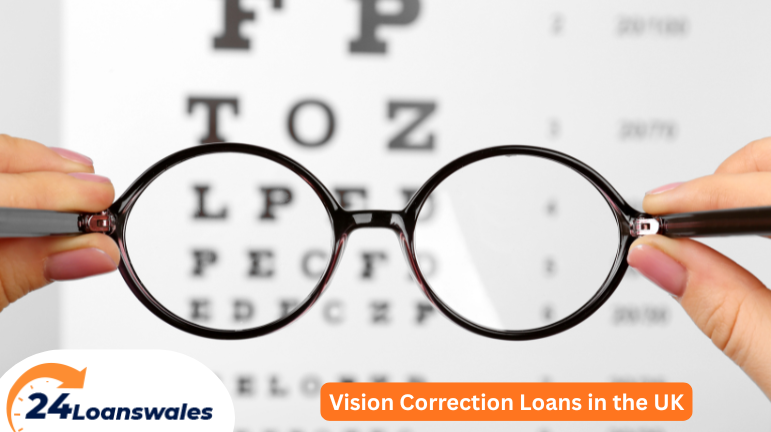
Whether you are myopic, hypermetropic, or have a cataract, vision correction may help. Demand for vision correction in the UK is rising rapidly, driven by rising screen use, lifestyle convenience, and long-term cost savings compared with glasses and contact lenses.
Table of Contents
- Average eye treatment costs and money-saving tips
- Why is the article important for you?
- Who may get a vision correction loan?
- Age
- Why consider vision correction loans from direct lenders?
- Alternative loans for Vision Correction
- Bad credit loans
- No guarantor loans
- Unsecured loans
- Guarantor loans
- Tenant loans
- How the Vision Correction Loan Application Works?
- Is a vision correction loan right for you?
Procedures like laser eye surgery and lens replacement cost several thousand pounds upfront, yet UK consumers are increasingly comfortable financing healthcare. On average, vision correction surgery costs £1,500-£3,500 per eye.
With over half of UK adults having used some form of credit to fund major purchases and medical finance now fully regulated, vision correction loans have become a mainstream solution rather than just an add-on.
Average eye treatment costs and money-saving tips
| Treatments | Typical cost per eye | How to save money? |
|---|---|---|
| LASIK (standard laser eye surgery) | £1,500 – £3,000 per eye (varies by clinic/technology) | Choose basic ones rather than premium options Find discounts Finance it with low initial deposits |
| Presbyond | £2,000 – £3,000 per eye (some clinics | Early consultations help avoid unnecessary treatments Check interest-free finance options with clinics |
| ICL (Implantable Contact Lens) | £2,500 – £5,000 per eye (average £3,000+) | Price may vary according to the lens and expertise type Check for discounted initial consultations Check finance options that specifically help with ICL financing |
| Lens replacement-Monofocal | £1,995 – £3,500 per eye | Monofocal is cheaper than trifocal or multifocal Check for aftercare in base price Compare pricing package |
| Lens replacement Trifocal/multi-focal | £3,195 – £4,988 per eye | Check whether trifocal is necessary You may get aftercare and reduced consultation fees |
Why is the article important for you?
Popular government healthcare organisations do not cover some eye conditions like LASIK treatments. It is because it may be treated as a cosmetic upliftment and is costly. Therefore, most individuals struggle to save enough and delay the treatment. However, vision correction loans provide a ray of hope in funding the surgery or treatment.
It prevents the condition from getting serious. So, if you lack enough cash and want to go for LASIK and other vision correction, tap these loans. The following guide covers everything regarding the vision correction loans in the UK. It covers- meaning, usage, eligibility, how it works, etc.
Who may get a vision correction loan?
Usually, the individuals seeking vision treatments are in their late years, like the 60s and 70s. However, some adults may also consider upgrading their lifestyle and looking better by ditching spectacles. Here is who may qualify for a vision correction loan in the UK:
Age
One should be aged 21-65 years to be eligible for a loan. It is within this range that most people seek vision repair programs and treatments. According to a source, the best time for laser eye surgery falls between 25 and 40. It is within this age that the eyes reach maturity.
Income
One should have a minimal income of £1200/month from self-employment/full-time/part-time, or combined. However, some loan providers may provide a loan at just £10000/year income.
Prescription stability
Your vision or eye number must be the same for at least 12 months from the last check-up.
No underlying health conditions
Some health issues, like diabetes, high blood pressure, and vitamin deficiency, affect vision. It leads to issues like blind spots, colour changes, and blurred vision. In that case, it could be challenging to get a loan.
Can afford the loan payments
Eye treatments could be costly. Thus, one should be financially sufficient to cover the loan payments quickly. Individuals with consistent income and low monthly bills may qualify.
Why consider vision correction loans from direct lenders?
If you consider a direct lender for eye correction loans, you may fetch personalised terms. It reduces the chances of making the financial information vulnerable. Instead, grant more opportunities to discuss 1:1 with the loan company. Here are other reasons to consider direct lenders for vision correction loans:
- Quick funding timelines
Some eye conditions, like glaucoma, acute retinal damage and chemical burns, require immediate treatment. Here, small personal loans for eye surgery of about £1500 may help. You may get one without detailed documentation, a guarantor or collateral. - Fixed monthly instalments
The repayments on the loan remain fixed until the loan term. It thus grants you the flexibility to repay the dues by setting direct debits. It does not affect other expenses if you plan the budget well. Instead, it allows you to spread the payments until the recovery. - No brokerage or commission
Most responsibly operating loan companies do not charge an upfront cost or commission, unlike brokers for loans. Therefore, it can prove money-saving to deal directly with a lender. - Get better amounts
You may get higher amounts for eye treatment depending on your requirements. For example, you may get unsecured loans of £2800 for single eye LASIK in the UK.
Alternative loans for Vision Correction
If not the specific loan, you can consider its alternative. It is only if the vision correction loans do not meet your comfort zone. Here are some options to consider instead:
Bad credit loans
If searching, can I get surgery loans with bad credit in the UK? Yes, you can. The maximum you can get on the loan is £25000, given your requirements and affordability. If your recent financial behaviour is satisfactory with improved income, you may qualify. It is ideal for individuals who struggle to qualify for traditional finance/loans.
No guarantor loans
If you don’t want to bother your loved ones for costly treatments, no guarantor loans may help. It is the best way to ensure individual care by financing the treatment. You may get no guarantor loans for LASIK surgery online. It may thus help you cover both eyes as you may get up to £10000 pounds for your needs. The interest, however, stays higher than that of other personal loans.
Unsecured loans
It does not require you to provide collateral to get these loans. You may get up to £25000 for your needs without staking precious assets. The interest rates stay competitive on these loans. Before applying, understand the unsecured loans vision correction costs in the UK. It will help you finance the deal without repaying extra. Try this calculator to know the approximate costs.
Guarantor loans
If you are considering lens replacement, especially with a trifocal lens, the bill may surprise you. It generally costs £3,195-£4,988 per eye! Students and tenants may struggle to finance the bar. Here, you can benefit from guarantor loans for lens replacement of at least £4,500 in the UK. You can use it to pay for the surgery without delaying it any further.
Tenant loans
A tenant may struggle to finance the eye issues due to:
- Low income
- No income/ living on guardian’s support
- Costly treatments
However, eye surgery loans for tenants from direct lenders may help. The loan provider considers basic affordability by checking part-time earnings or gigs. It helps them analyse the affordability and provide small loans. Having a guarantor may facilitate a higher amount, with the opportunity to improve one’s credit score.
How the Vision Correction Loan Application Works?
Applying for a vision correction loan requires you to follow a particular procedure. Here is who may qualify:
- Step 1- Get a prescription
The first thing is to get your eyes checked by a certified professional. It helps you know the underlying issues and get the prescription. Move ahead, only if it is a serious eye issue that you cannot afford to save for. - Step 2- Apply online
Identify the options that you must refill to apply for a loan. Mention the amount requirement, treatment and other details asked during an online form filing. Check and provide accurate details according to your knowledge. - Step 3- face affordability checks
The loan company you apply with reviews your details against the amount requested. It then sends off a basic or no obligation quote listing the approximate amount you may get. You generally get this quote within 5-10 minutes. This check does not affect your credit history. - Step 4- provide documents
Once you pass the basic assessments, the loan company require documents to verify the form information. So what documents are needed for a vision correction loan in the UK? Here are the documents to provide:- Proof of identity: ID proof- passport/ID card/driving license
- Proof of prescription: Provide the latest eye treatment prescription and the treatment for which you need the loan
- Provide insurance proof (if any)
- Proof of income: Payslip, bank statements or tax returns
- Proof of residential address: council tax bill, recent utility bill
- Step 5- Get paid
Once you provide the documents, the loan company verifies the details against the papers. It helps them identify your loan affordability, treatment needs, income, and how much you should ideally get for the specific treatment. Later, you get paid within 24 hours to fund your requirements.
Is a vision correction loan right for you?
Yes, if you need a high lump sum for expensive eye treatments like LASIC, ICL or lens replacement. Identify the right loan according to your circumstances, affordability, and needs. Understand the eligibility criteria to avoid applying for the wrong loan. Moreover, pre-qualify further to understand the amount that you may get on a loan. It helps you avoid unnecessary interest payments.

When someone writes about UK finance, both research and experience should be visible. Ken Stokes is a prime example of this. He is a well-experienced finance writer and author and possesses years of experience. He is currently responsible for the position of Senior Loan Executive at 24loanswales. He joined the organisation 6 months ago, but he already has enough experience to guide someone on any loan product.Ken Stokes is a PhD holder in the Business Finance stream. Therefore, he has extensive knowledge of the UK finance sector.
Being part of 24loanswales, he has already written research-based blogs for the company’s website. Start reading his blogs here before applying for any loan.